Why the grid matters
Europe’s electricity grid is one of the most extensive infrastructures ever built. Its cables could reach the moon and back 47 times. Yet much of this system was designed for a century defined by large power plants and predictable demand. Today, that model no longer fits.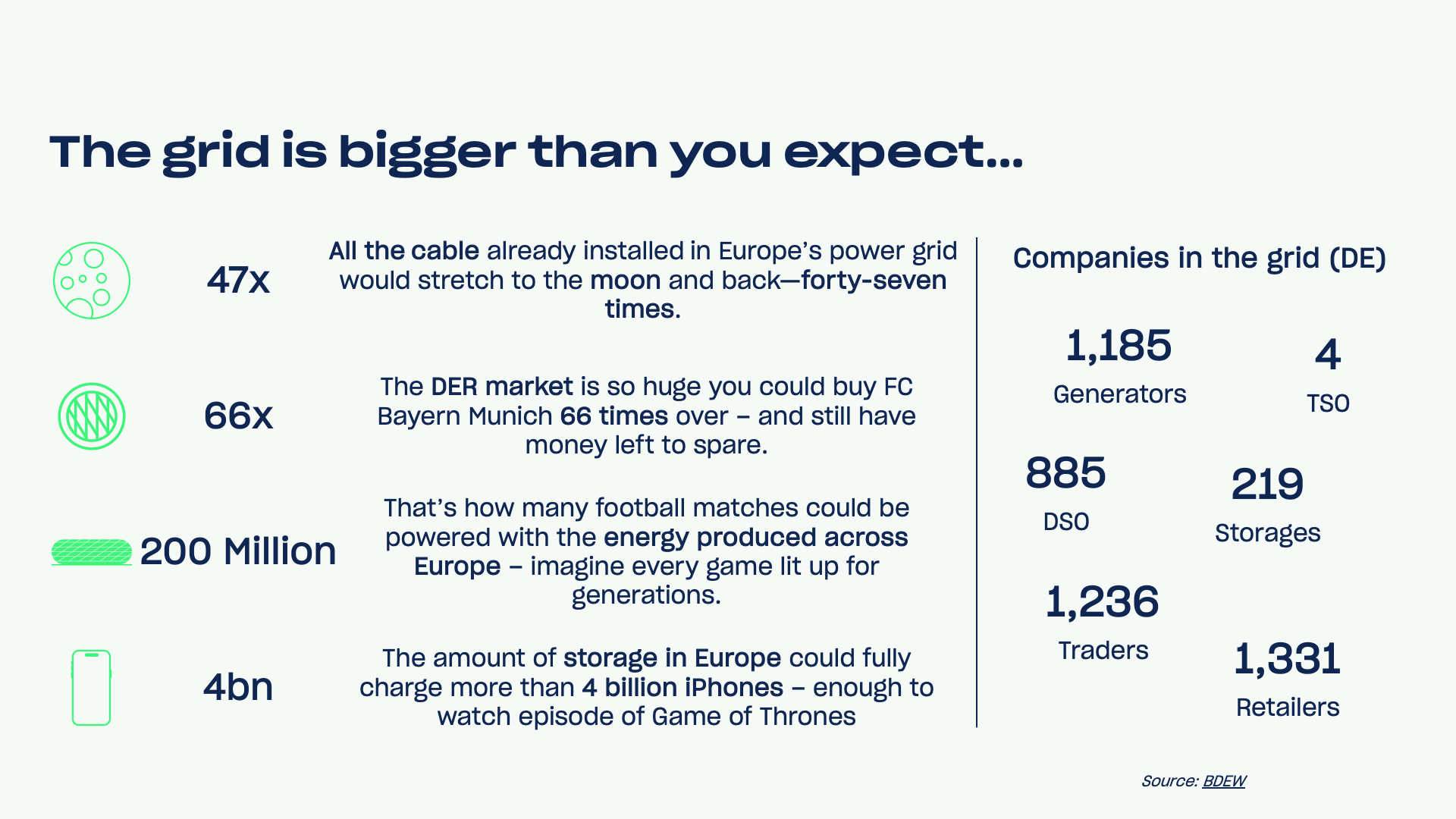
Roughly €7.2 billion in renewable energy is curtailed each year because it cannot be absorbed by existing grids. More than 1,700 gigawatts of clean energy projects are waiting for connection approval. Almost forty percent of Europe’s distribution networks are more than forty years old. At the same time, electrification across transport, buildings, and industry continues to accelerate, pushing a system built for one-way power flows to its limit.
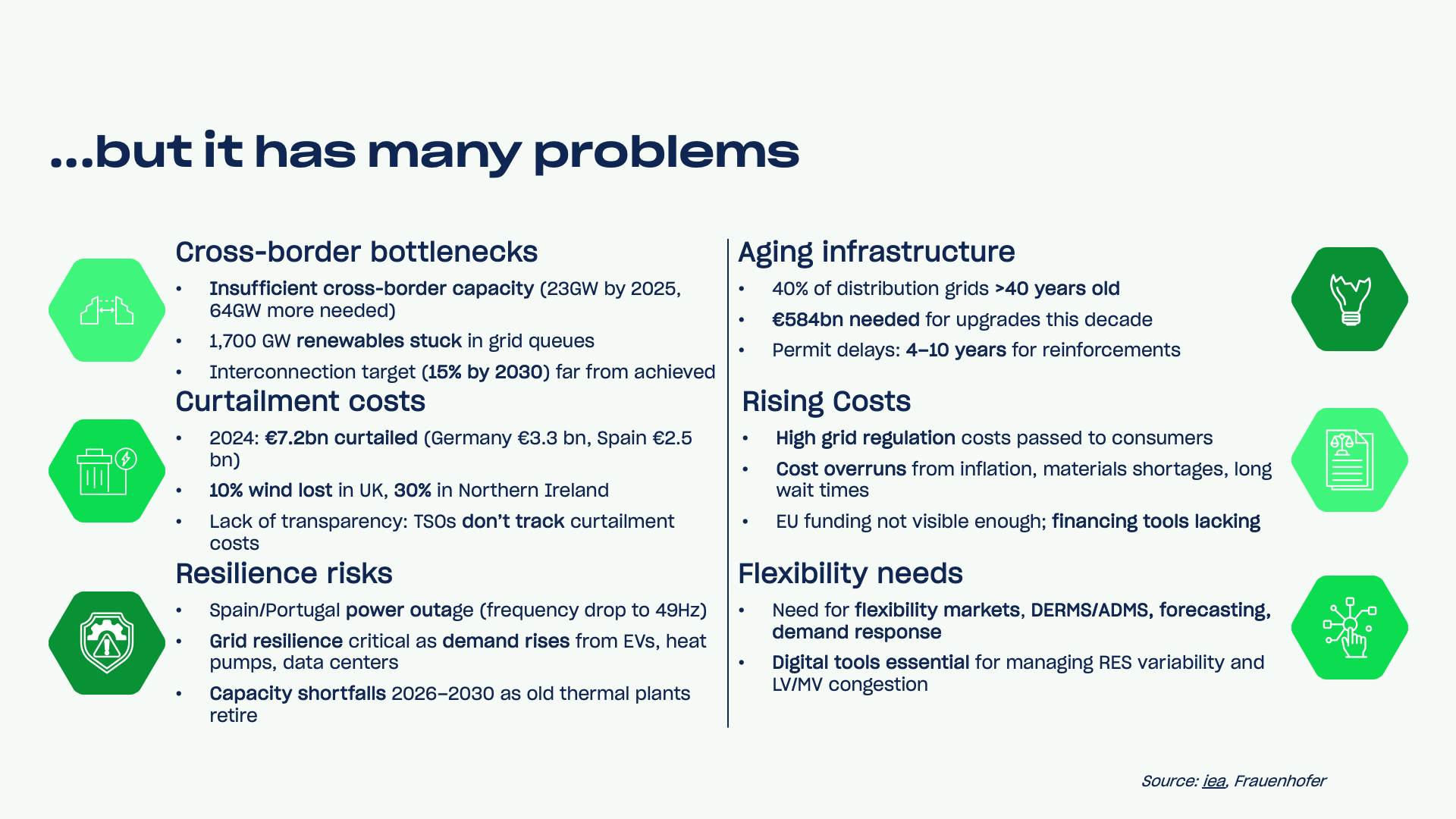
The result is a growing urgency to expand, digitalize, and decentralize Europe’s grid.
From infrastructure to intelligence
The traditional grid was linear: energy flowed from generators through transmission and distribution networks to passive consumers. That simplicity is disappearing. Rooftop solar, heat pumps, electric vehicles, and batteries are turning consumers into producers and storage nodes. Power is now generated, stored, and consumed everywhere, often simultaneously.
This shift demands a different kind of infrastructure. Hardware remains essential, but intelligence is becoming the true constraint. Operating a grid dominated by intermittent renewables requires transparency, data, and real-time control. Digital tools such as forecasting software, distributed energy resource management systems (DERMS), and grid-edge controllers are rapidly becoming the nervous system of the new energy landscape.
The changing value chain
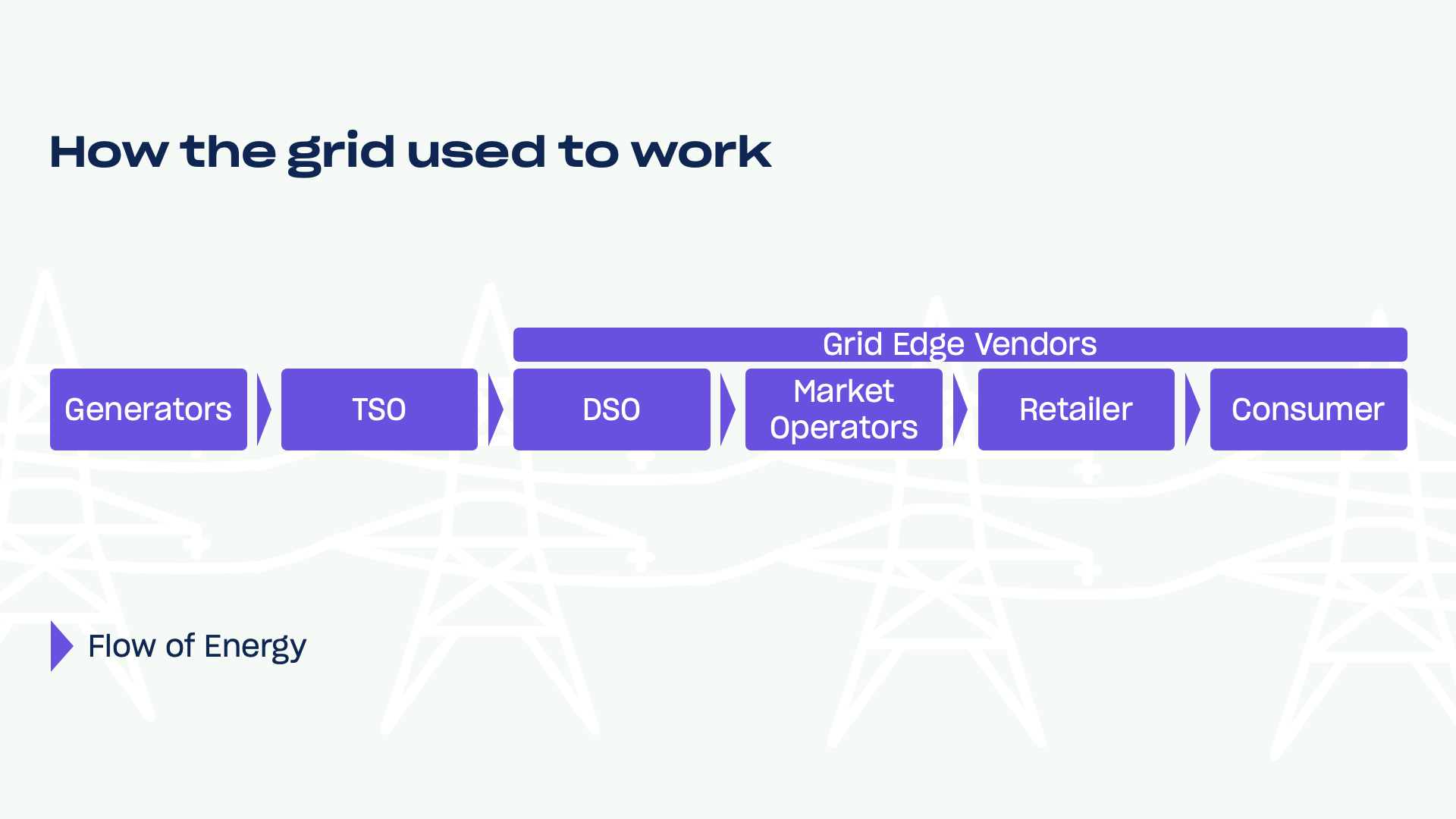
As the grid evolves, so does its value chain. The familiar actors, generators, transmission and distribution system operators, and retailers, remain, but they are no longer alone. New layers have emerged: virtual power plants that aggregate distributed assets, prosumer and flexibility platforms that coordinate local supply and demand, and grid-edge vendors that connect physical devices with digital control systems.
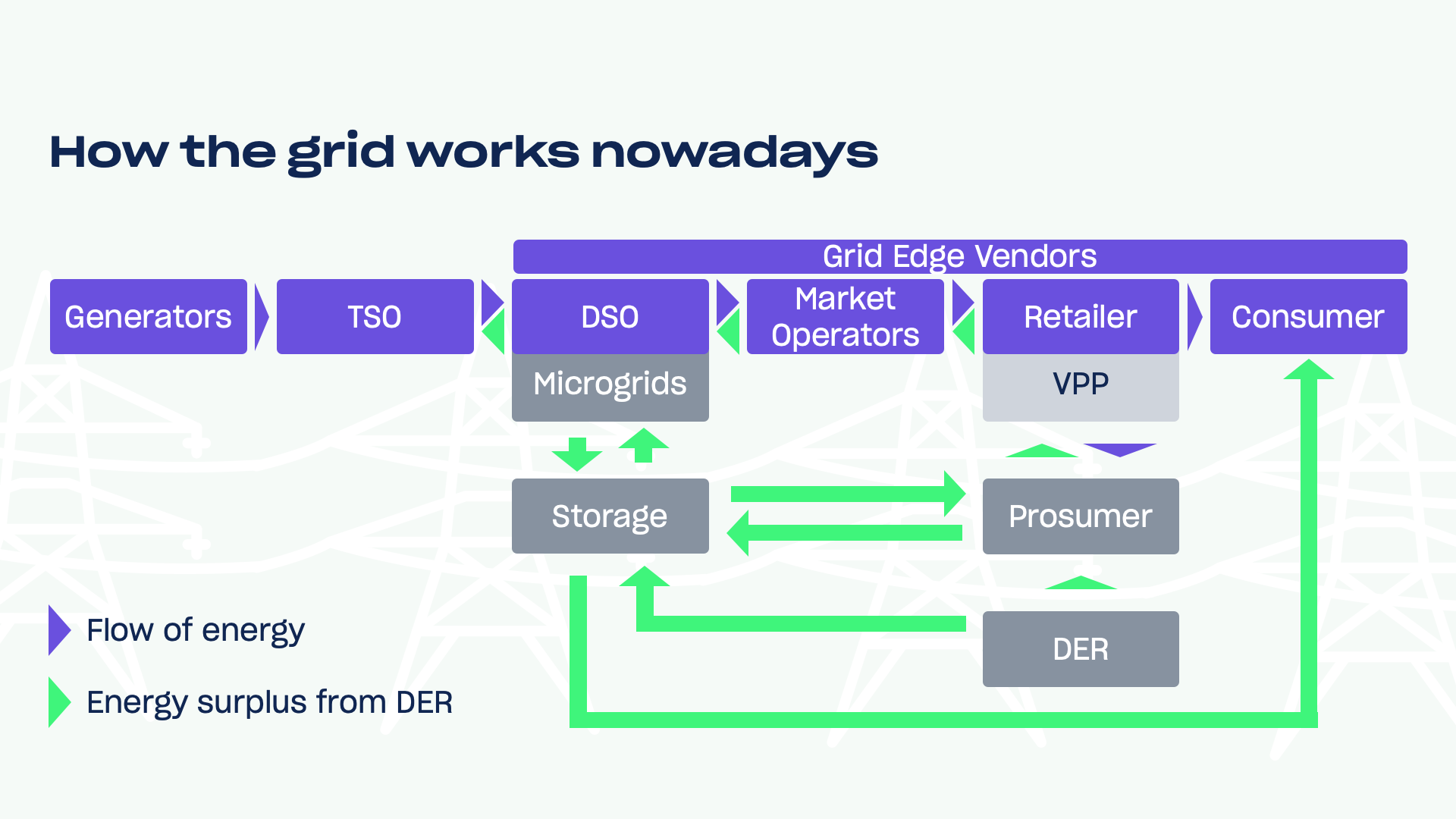
These segments are opening pathways for startups. While large utilities and regulated monopolies still dominate transmission and large-scale generation, the decentralized edge of the grid has become a fertile ground for innovation.
Where startups create value

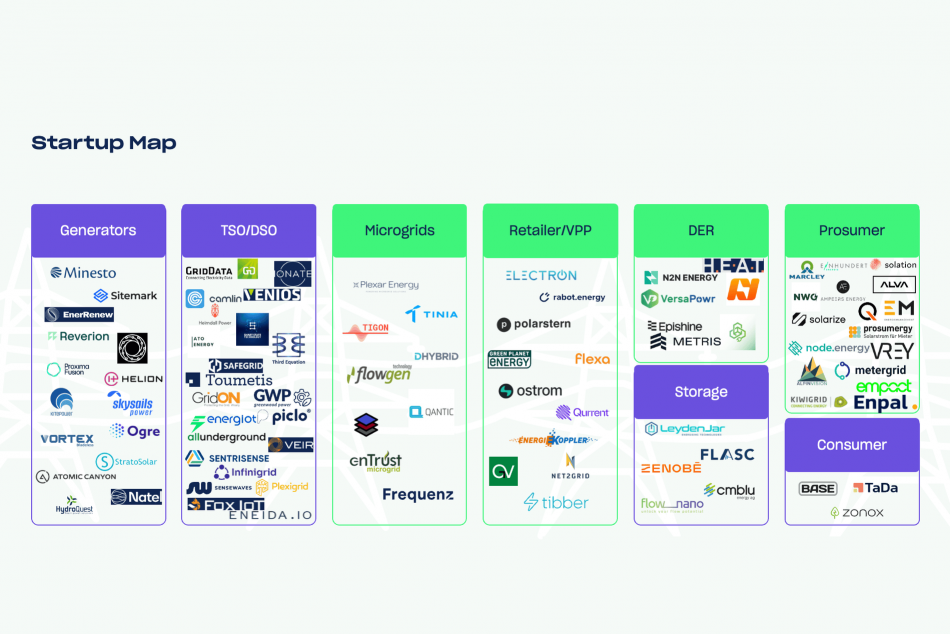
The most dynamic startup activity now concentrates in microgrids, distributed energy resource integration, flexibility management, and digital retail and VPP platforms. These areas combine scalable software with measurable climate impact, and they align with the European Union’s policy push for flexibility, prosumer participation, and digitalization.
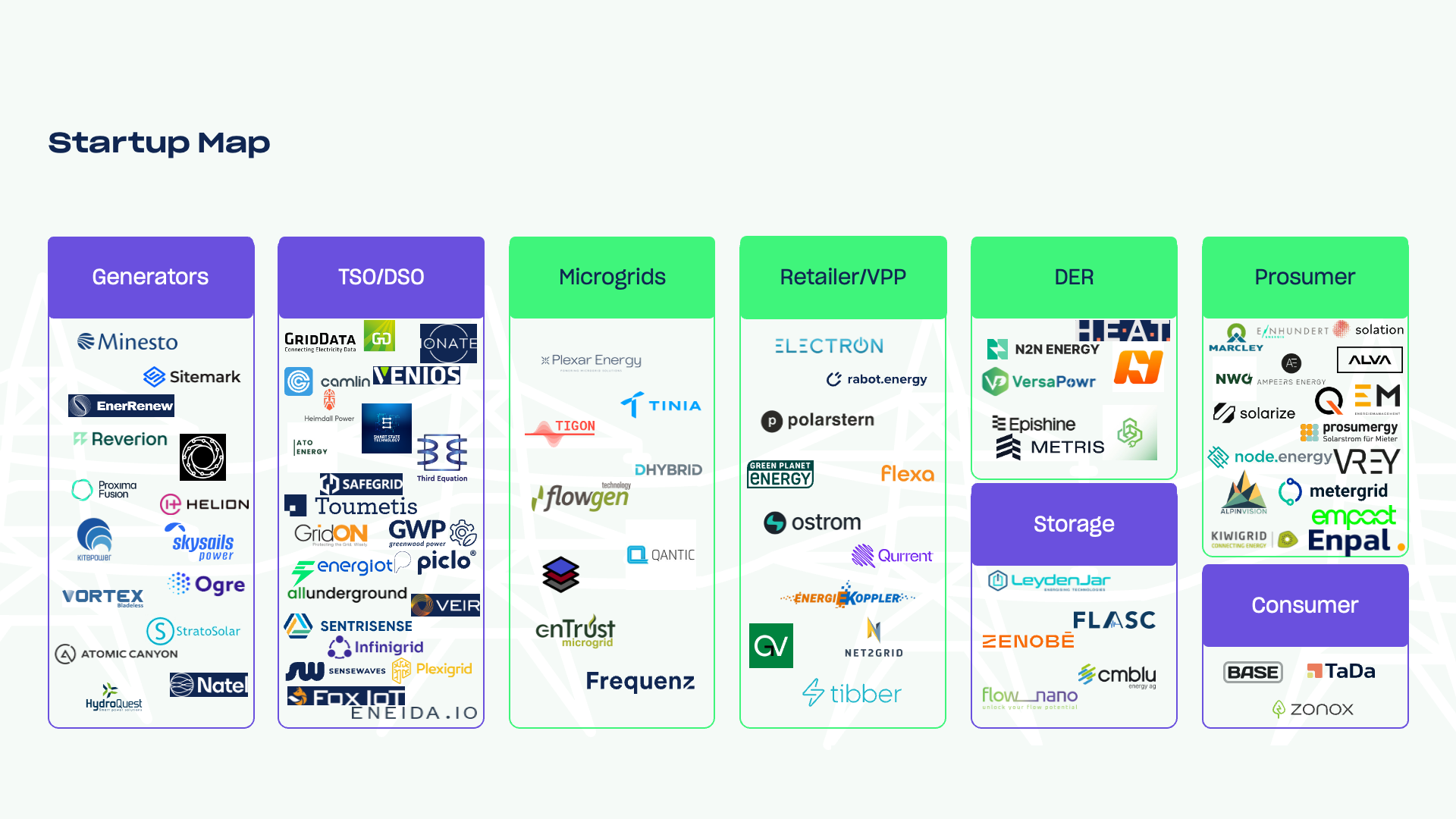
In contrast, transmission and distribution infrastructure remains capital intensive and tightly regulated, making it less accessible to early-stage innovation. The frontier for young companies lies where electrons meet data: creating the interfaces that allow a distributed grid to operate efficiently and resiliently.
The direction of change
Three trends define this transformation.
First, decentralization matters more than generation capacity. The ability to balance many small nodes will shape the future grid more than the construction of new large plants.
Second, software and interoperability create more value than hardware alone. Intelligence is becoming the scarcest resource.
Third, flexibility is emerging as the new currency. In a system dominated by renewables, timing, when and where electricity is used, matters more than volume.
Europe’s grid is no longer just an engineering asset. It is a digital ecosystem in transition, where value creation shifts from infrastructure to intelligence and where innovation increasingly comes from startups.
If you are building technology that strengthens, digitizes, or decentralizes the grid, we would love to hear from you.
Reach out to us to explore how we can support your journey or pitch us your startup.
Back to Insights